Primary Value Statement
Introduce the page clearly
Use this section for the main promise, offer, or introduction visitors should understand first.

Use this section for the main promise, offer, or introduction visitors should understand first.
Describe one benefit, service, or feature that helps visitors understand the value of the page.
Add a second point that supports the main message or guides visitors toward useful content.
Use this card to point toward a related page, service, resource, or next step.
 Our oponnent doesn't respect us or the game
A Bad animation. A Missed tackle. Some “Cheesy” plays. We’ve all seen it—and we’ve all said it. When things go wrong, it’s easy to point at the game instead of what actually happened on the field.
But the truth is, the same situations keep showing up. The same plays keep working against us. And if it keeps happening, it’s not random—it’s something we haven’t solved yet.
And until we do, it’s going to keep frustrating us.
 Don’t let fast passers give us the run around.
We have the play locked up. Coverage is tight, the rush gets there, and it should be over—but it isn’t. The quarterback escapes, resets, and turns a dead play into a first down. When that keeps happening, it doesn’t just extend drives—it takes control of the game away from us.
That’s how momentum flips. One scramble leads to another, third downs get converted, and what should be stops turn into points. It feels chaotic in the moment—but it’s not random. There’s a reason it keeps happening. There’s a way to stop it.

We’ve watched the clock run out—and been unable to stop it. We need the ball back, the game is on the line, and instead of getting a chance, we’re watching run after run drain the clock. First downs pile up, time disappears, and the game slips away.
That’s one of the most frustrating ways to lose. Not because we got beat—but because we never got the chance to respond. And when it keeps happening, it starts to feel like there’s nothing we can do.
But if it’s happening consistently, it’s not out of our control—it’s just a problem we haven’t solved yet.
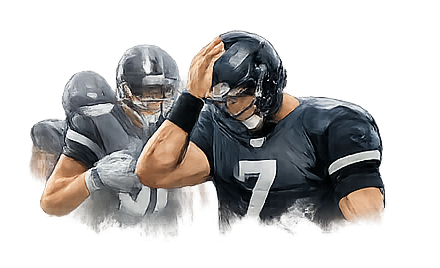 The game starts to slip away, nothing works, and every decision feels like a guess. What worked early in the game dries up, adjustments come too late, and we find ourselves reacting instead of controlling. That’s where games are lost.
The problem isn’t effort or talent; it’s structure, or rather a lack of it. Without a plan, even good ideas break down when the game gets tight.
There’s a better approach. A way to organize what we run, understand why it works, and carry that confidence from the first drive to the last. Here's where we start building a system we can trust.
 We start strong. The offense moves, the defense holds, and everything feels under control. Then something shifts. The opponent adjusts, what worked stops working, and suddenly we’re searching instead of executing.
That’s where games turn. Not because we don’t have good plays—but because we don’t know how to adapt when the game demands it. And when we fall behind that curve, we start reacting instead of controlling.
Adjustments aren’t optional. They’re the difference between winning and winning consistently.
Page 1 of 2
Explain the first step, decision, or idea in the process.
Explain what happens next and what the visitor should expect.
Explain the outcome, result, or final action that completes the path.
Offer a guide, checklist, worksheet, or other resource that gives visitors immediate value.
Share a practical idea, short explanation, or helpful link that supports the page goal.
Add a concise answer to a common question or concern.
Explain the next step, timeline, requirement, or expected outcome.
Use this panel for supporting details, links, or context that should stay easy to find.
Use this area for a final prompt, contact path, signup link, or related action.