Primary Value Statement
Introduce the page clearly
Use this section for the main promise, offer, or introduction visitors should understand first.

Use this section for the main promise, offer, or introduction visitors should understand first.
Describe one benefit, service, or feature that helps visitors understand the value of the page.
Add a second point that supports the main message or guides visitors toward useful content.
Use this card to point toward a related page, service, resource, or next step.
 Our oponnent doesn't respect us or the game
A Bad animation. A Missed tackle. Some “Cheesy” plays. We’ve all seen it—and we’ve all said it. When things go wrong, it’s easy to point at the game instead of what actually happened on the field.
But the truth is, the same situations keep showing up. The same plays keep working against us. And if it keeps happening, it’s not random—it’s something we haven’t solved yet.
And until we do, it’s going to keep frustrating us.

 We’ve all said it: “That shouldn’t have worked.” But it did. And if it worked once, it can work again. The issue isn’t that the game is broken—it’s that we don’t have a reliable answer for it yet.
Blaming the game developers or the AI doesn’t fix anything. It doesn’t help us adjust, and it doesn’t help us improve. It just keeps us stuck in the same cycle—seeing the same problems, getting the same results, and confirming what we already thought we knew.

If we want different outcomes, we have to start approaching those situations differently.
Stop blaming the game. Guessing mid-game is on us—not the game. The breakdown isn’t random, and it’s not bad luck. It’s what happens when we don’t have a plan we can trust.
Start winning more games immediately.


 Every “cheesy” play, every broken scramble, every frustrating moment has one thing in common—it’s repeatable. And if it’s repeatable, it can be studied, understood, and shut down.
The best players don’t complain about what happens—they figure out why it works. Then they take it away. That’s how they stay consistent while everyone else keeps reacting.

What feels unfair in the moment usually comes down to something we didn’t account for. Once we see it clearly, it stops being a problem.
If we trust the system, we need a way to apply it when the game is on the line. The MaddenUniversity Call Sheet gives us structure we can use in real time—so we’re not searching for answers, we’re working from a plan.
Get the Call Sheet + Free Access to MaddenUniversity.comNo gimmicks. Just tools to help us improve.


 We don’t need more plays, more tricks, or more guesses. We need structure. When we understand what’s happening on the field and why, our decisions get faster and more accurate.
That’s where Personnel, Position, and Tempo come in. When we apply those principles, we stop reacting to problems and start controlling them before they happen.

This is where improvement actually begins—not with frustration, but with understanding.
Stop reacting. Start defining who we are on the field. If we want consistency, we have to decide how we’re going to play—and commit to it. Play better by playing with structure and purpose—with an identity we trust.
Start Building an IdentityNo pressure.


 We Don’t Make Excuses—We Make Adjustments
The difference between players who stay stuck and players who improve is simple. One group keeps reacting. The other takes control.
We decide how we play. We decide how we respond. And when something works against us, we figure out how to stop it.
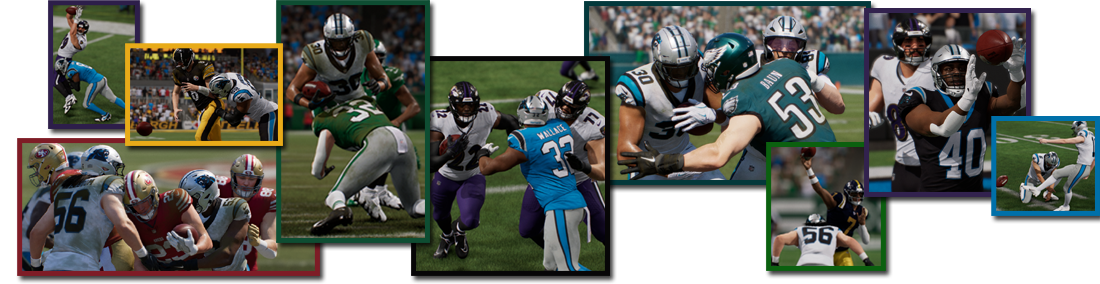
That’s the identity we build—disciplined, prepared, and in control.

Explain the first step, decision, or idea in the process.
Explain what happens next and what the visitor should expect.
Explain the outcome, result, or final action that completes the path.
Offer a guide, checklist, worksheet, or other resource that gives visitors immediate value.
Share a practical idea, short explanation, or helpful link that supports the page goal.
Add a concise answer to a common question or concern.
Explain the next step, timeline, requirement, or expected outcome.
Use this panel for supporting details, links, or context that should stay easy to find.
Use this area for a final prompt, contact path, signup link, or related action.