Primary Value Statement
Introduce the page clearly
Use this section for the main promise, offer, or introduction visitors should understand first.

Use this section for the main promise, offer, or introduction visitors should understand first.
Describe one benefit, service, or feature that helps visitors understand the value of the page.
Add a second point that supports the main message or guides visitors toward useful content.
Use this card to point toward a related page, service, resource, or next step.
 Don’t let fast passers give us the run around.
We have the play locked up. Coverage is tight, the rush gets there, and it should be over—but it isn’t. The quarterback escapes, resets, and turns a dead play into a first down. When that keeps happening, it doesn’t just extend drives—it takes control of the game away from us.
That’s how momentum flips. One scramble leads to another, third downs get converted, and what should be stops turn into points. It feels chaotic in the moment—but it’s not random. There’s a reason it keeps happening. There’s a way to stop it.

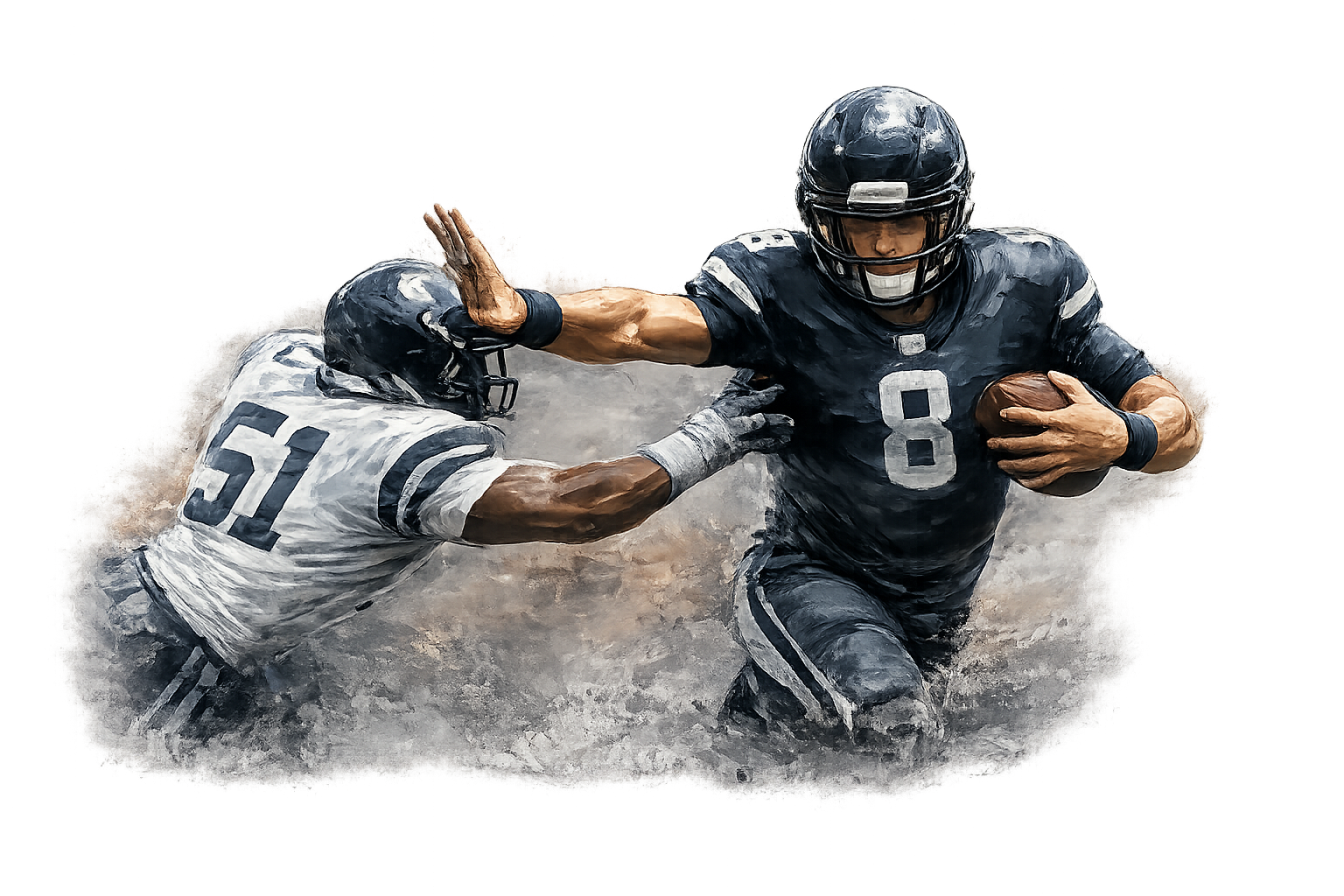 If the quarterback is getting loose, we gave him somewhere to go. Whether it’s losing contain, opening lanes, or overcommitting to coverage, something in our approach is breaking down—and mobile quarterbacks are built to exploit it.
We can’t treat it like a one-off problem. If it keeps happening, it’s part of how we’re playing. It’s something we can fix.

The question isn’t whether scrambling quarterbacks are dangerous. The question is: are we going to keep reacting to it—or are we going to take control?
Stop blaming the game. Guessing mid-game is on us—not the game. The breakdown isn’t random, and it’s not bad luck. It’s what happens when we don’t have a plan we can trust.
Start winning more games immediately.


 Scrambling quarterbacks aren’t new, and they’re not unbeatable. MaddenUniversity has been breaking down how to contain mobile QBs for years—through real gameplay, real adjustments, and real results.
This isn’t about chasing trends or finding a one-play fix. It’s about understanding how the problem works and applying a system that consistently shuts it down. When we know why it’s happening, we stop reacting late and start making the right adjustments early. That’s what separates temporary fixes from real control.

When something has been tested, refined, and proven over time, it stops being a guess—and becomes something we can rely on. It gives us confidence before the snap and clarity when the play breaks down. That’s how we stay disciplined and keep control when the game gets tight.
If we trust the system, we need a way to apply it when the game is on the line. The MaddenUniversity Call Sheet gives us structure we can use in real time—so we’re not searching for answers, we’re working from a plan.
Get the Call Sheet + Free Access to MaddenUniversity.comNo gimmicks. Just tools to help us improve.


 When we approach scrambling quarterbacks the right way, everything changes. We control the edges, maintain discipline in our rush, and force the quarterback to stay where we want him. We’re no longer chasing the play—we’re dictating where it goes.
Instead of reacting to the scramble, we anticipate it. Instead of giving up lanes, we close them. Instead of extended plays, we create stops. Every movement has purpose, and every defender understands their role in keeping the quarterback contained.

This is where defense becomes controlled, deliberate, and effective. It’s not about doing more—it’s about doing the right things consistently, so broken plays stay broken and drives come to an end.
Stop reacting. Start defining who we are on the field. If we want consistency, we have to decide how we’re going to play—and commit to it. Play better by playing with structure and purpose—with an identity we trust.
Start Building an IdentityNo pressure.


 When scrambling quarterbacks stop extending plays, everything else falls into place. Drives stall, pressure builds on the offense, and we take back control of the game.
We’re not reacting anymore—we’re dictating. We know where the quarterback can go, and more importantly, where he can’t. That forces the offense to play on our terms instead of theirs. When they lose their escape, they lose their advantage.
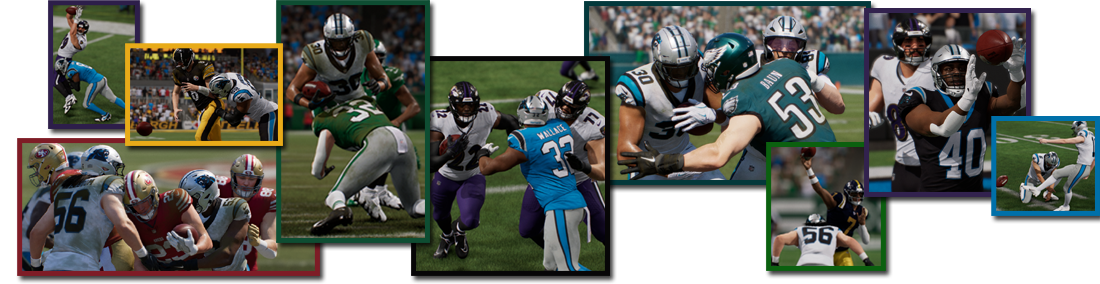
This is how we play defense—with structure, discipline, and control. Every player understands their role, and every call has a purpose. That’s how we stay consistent and finish drives the right way.

Explain the first step, decision, or idea in the process.
Explain what happens next and what the visitor should expect.
Explain the outcome, result, or final action that completes the path.
Offer a guide, checklist, worksheet, or other resource that gives visitors immediate value.
Share a practical idea, short explanation, or helpful link that supports the page goal.
Add a concise answer to a common question or concern.
Explain the next step, timeline, requirement, or expected outcome.
Use this panel for supporting details, links, or context that should stay easy to find.
Use this area for a final prompt, contact path, signup link, or related action.